The event
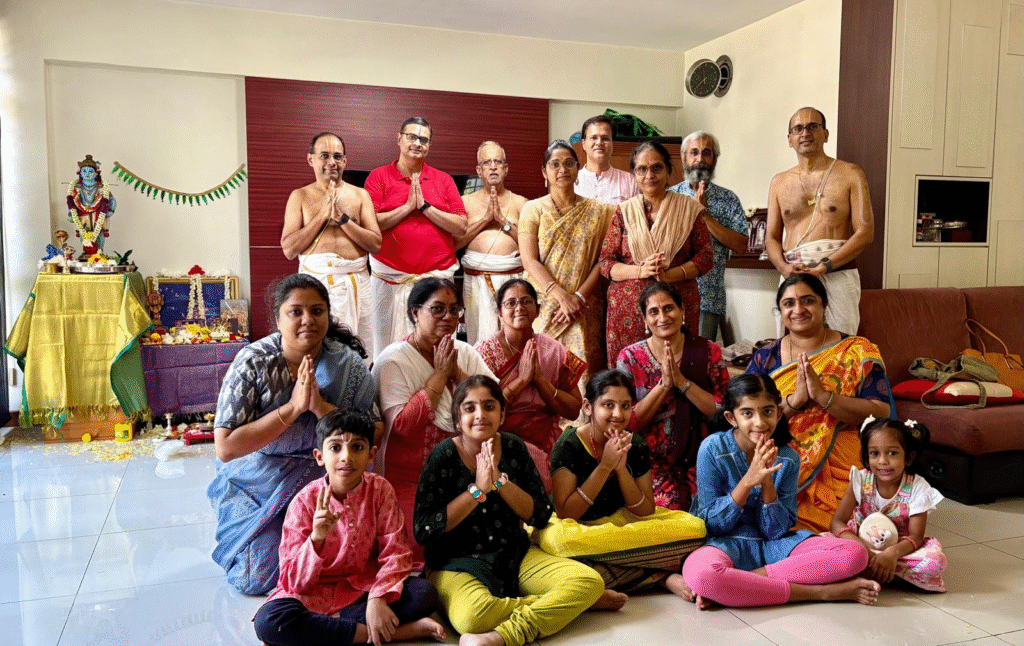
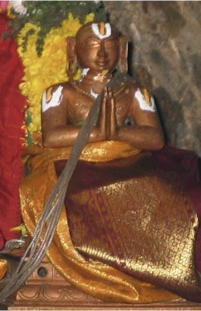
We had a fantastic event celebrating Srijayanthi, Periyavachanpillai and Kumara Varadachariar Thitunatchatram at Sri. Bhadhriprasad swami and Smt. Ranjana’s Thirumaligai.
The bhagavathas recited Prabandhams and stothrams related to Sri Krishna, and those composed by Periyavachanpillai and Kumara Varadachariar. The bhagavathas and rockers sang melodiously. Dhanyosmi to Sau. Sarasija, Sau. Neyaa, Sau. Navyaa, Chi. Krishna, Sau. Samakya, Sri. Sunil swami, Sri. Mukund swami and Smt. Malini for their enjoyable singing.
The bhagavathas relished divine and scrumptious prasadam and bhakshanams. Dhanyosmi to Sri. Bhadhri swami, Smt. Ranjana, Sau. Neyaa and Sau. Navyaa for organising this memorable event, and to all the bhagavathas who participated.
About Sri Jayanthi
Sri Jayanthi, also known as Krishna Jayanthi, Janmashtami, or Gokulashtami, is an annual festival that celebrates the birth of Lord Krishna, the eighth avatar of Lord Vishnu, who was born approximately 5,000 years ago in Mathura. The day falls in August-September, which is the Bhadrapada month, Krishna Paksha Ashtami tithi.
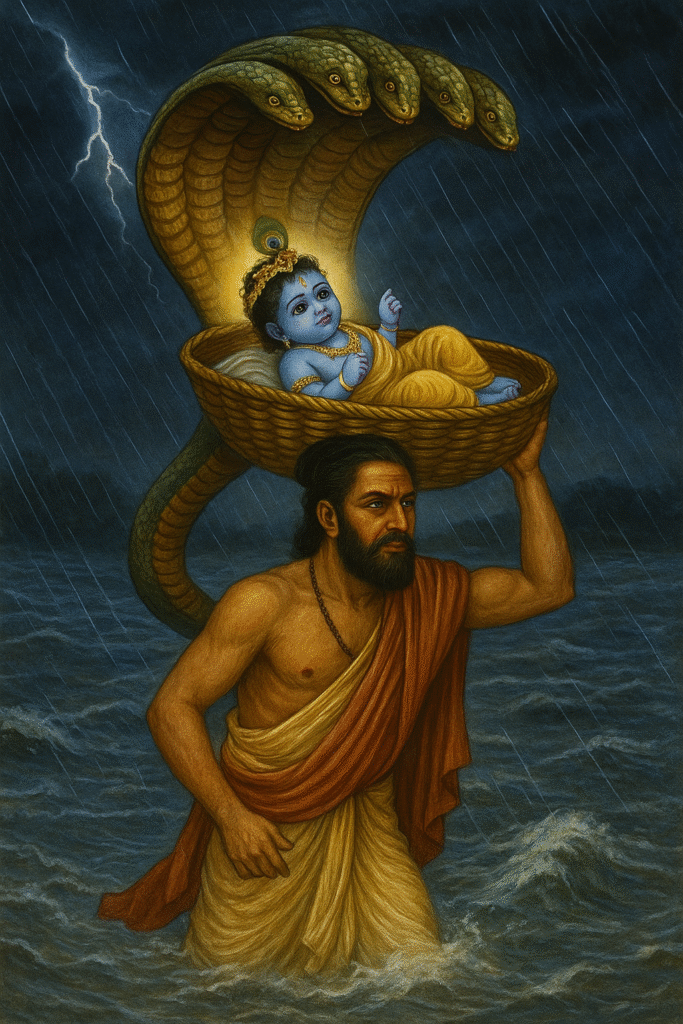
Krishna’s birth occurred during difficult times. His uncle, the tyrannical ruler of the Vrishni Kingdom, the capital of Mathura, was foretold that his sister, Devaki’s eighth child, would kill him. Out of fear, he imprisoned Devaki and her husband and killed every single child that they bore. When Krishna was born as the eighth child, he was secretly carried across the Yamuna River to Gokulam. His travel was met with floods, thunderstorms, and pitch darkness, making Vasudeva’s journey to Gokulam difficult. As Vasudeva was carrying none other than Lord Vishnu himself over his head, the Yamuna river parted into two for Vasudeva to walk safely across. Aadhisesha also assisted by spreading his hoods, shielding Krishna and Vasudeva from the heavy rain. Together, these miracles demonstrate how the entire cosmos, nature, divine beings, and destiny converged to protect Krishna’s arrival, marking his birth as extraordinary.
Interestingly, there are two Krishna Jayanthis celebrated annually:
- Sri Krishna Janmashtami: Celebrated on Shravana Maasam, Krishna Paksha Ashtami tithi. Ashtami tithi is the 8th day of the waning phase of the moon
- Sri Krishna Jayanthi: Celebrated on Shravana Maasam, Krishna Paksha Rohini Nakshatram, strictly at midnight
Either way, both Ashtami and Jayanthi are considered spiritually auspicious days, and the celebration of Sri Krishna Ashtami or Jayanthi depends on one’s family traditions or on the Acharya’s guidance.
About Periyavachanpillai
Sri Periyavachanpillai (1167 – 1265), born as Krishnan, was born in a town called Sanganalloor, near Thiruvelliyankudi. He was born on the month of Avani, Krishnamashtami Rohini, to Yamunacharya and Nachiyaramman.
Sri Peruyavachanpillai was referred to as the “Vyakhyana Chakravarti”, the Emperor of Commentaries, for his extraordinary commentaries that have stood the test of time. The Naalayira Divya Prabandham, also known as the “Vedas for the Dravida Desam”, is a collection of four thousand verses sung by the 12 azhwars. It consists of the glorification of Lord Vishnu and his Avatars, the praise of the 108 Divya Desams, and the expressions of love, surrender (sharanagati), longing, and joy in union with the Lord. These hymns are very important as the divine truths were made accessible in Tamil, not just in Sanskrit, and it was a foundation for the Bhakti movement. However, despite being in Tamil, these verses cannot be comprehended with ease by modern society due to the form they were written in, and they necessitate commentaries and expositions to understand the meaning of the hymns. This gap was covered by Sri Periyavacahnpillai and his commentary, thus far, is considered supreme. Some of his other commentaries include Purvacharya Srisukthi and selected slokas from the Ramayana.
About Kumara Varadachariar
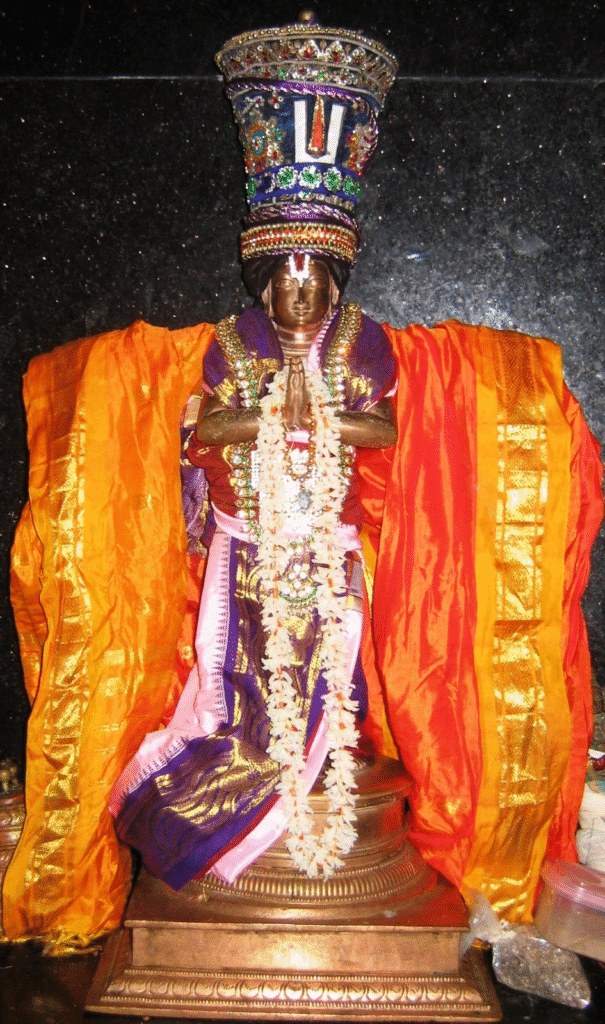
Kumara Varadachariar (1316 – 1401) was born on the month of Avani, Rohini Nakshatram, to Vedanta Desikan, one of the revered philosophers of the Srivaishnava tradition. He was trained directly by his father in Vedic scriptures, Divya Prabandham and the Srivaishnava philosophy. Along with commentaries on Swamy Vedanta Desikan’s compositions, he also authored Pillaianthathi, which consists of 20 verses in praise of Swamy Desikan, bringing out his divine qualities as a father and acharya. He continued his father’s mission of preserving and spreading the Vishishtadvaita philosophy.
His descendants are known as the Thoopul/Vanamamalai Acharya Parampari, an important guru-lineage within the Srivaishnavism. Kumara Varadachariar served as an important link between Swamy Vedanta Desikan’s teachings and the future Srivaishnava generations, and through him, the lineage of Vedanta Desikan’s philosophy and devotion remained unbroken.
No responses yet